Buying or offering a home is a significant monetary step, and while looks usually take the spotlight, the genuine worth of a residential or commercial property lies underneath the surface area. That's where residential building inspections can be found in. These professional examinations act as a critical step in the property process, using insights that secure financial investments and make sure peace of mind.
What Are Home Inspections?
A home inspection is a comprehensive, non-invasive evaluation of a home's significant systems and structural stability. Performed by a skilled assessor, this process covers whatever from the foundation to the roof, ensuring that the home is secure, useful, and without significant defects.
These assessments are normally executed before a home changes hands, providing customers and vendors a more clear understanding of its problem. Whether it's a freshly developed home or an older framework, a correct inspection identifies concerns that could or else go unnoticed.
Why Homebuyers Ought to Never Avoid an Inspection
When emotions run high throughout the home getting process, it's tempting to rush through the steps to secure the desire home. Nonetheless, avoiding a home evaluation could result in major remorse. Hidden pipes leaks, damaged wiring, or fundamental fractures can turn a desire home right into a monetary nightmare.
A specialist examination provides purchasers the opportunity to renegotiate or ask for repair services prior to closing. It's a positive approach that aids protect against future shocks and equips purchasers with the expertise to make informed decisions.
Inspections for Sellers: A Strategic Advantage
While evaluations are typically associated with customers, sellers likewise gain from carrying out one prior to noting their residential property. A pre-listing examination permits the homeowner to identify and take care of problems https://penzu.com/p/40937133e5bcbe92 ahead of time, improving the home's presentation and minimizing the possibilities of final settlements or deal-breakers.

This transparency builds trust with prospective buyers and can also justify a greater asking rate. In today's open market, a vendor who uses assessment documents upfront shows sincerity and readiness-- high qualities that attract significant buyers.
What Does a Residential Examination Cover?
- Structural elements: foundation, wall surfaces, ceilings, floorings, and roof covering structure Roofing system: roof shingles, blinking, gutters, and ventilation Electrical system: wiring, circuit breakers, outlets, and fixtures Plumbing: pipelines, water heaters, components, and drainage HVAC systems: heaters, a/c devices, ductwork, and thermostats Interior and outside conditions: exterior siding, doors, windows, insulation, and visible mold and mildew or pests
After the assessment, a thorough record is offered, usually consisting of photos and notes on issues or upkeep concerns. This report ends up being an important device for settlement or future upkeep.
The Value of Choosing the Right Inspector
Not all inspectors use the exact same level of solution. Picking a qualified, knowledgeable professional makes certain that the evaluation is performed thoroughly and ethically. Examiners should have an eager eye for information, up-to-date training, and a dedication to client education.
Companies like Cornerstone Home Inspectors are known for supplying reputable, in-depth residential property inspections. Their group aids customers navigate property choices with self-confidence, thanks to years of hands-on experience and an enthusiasm for high standards.
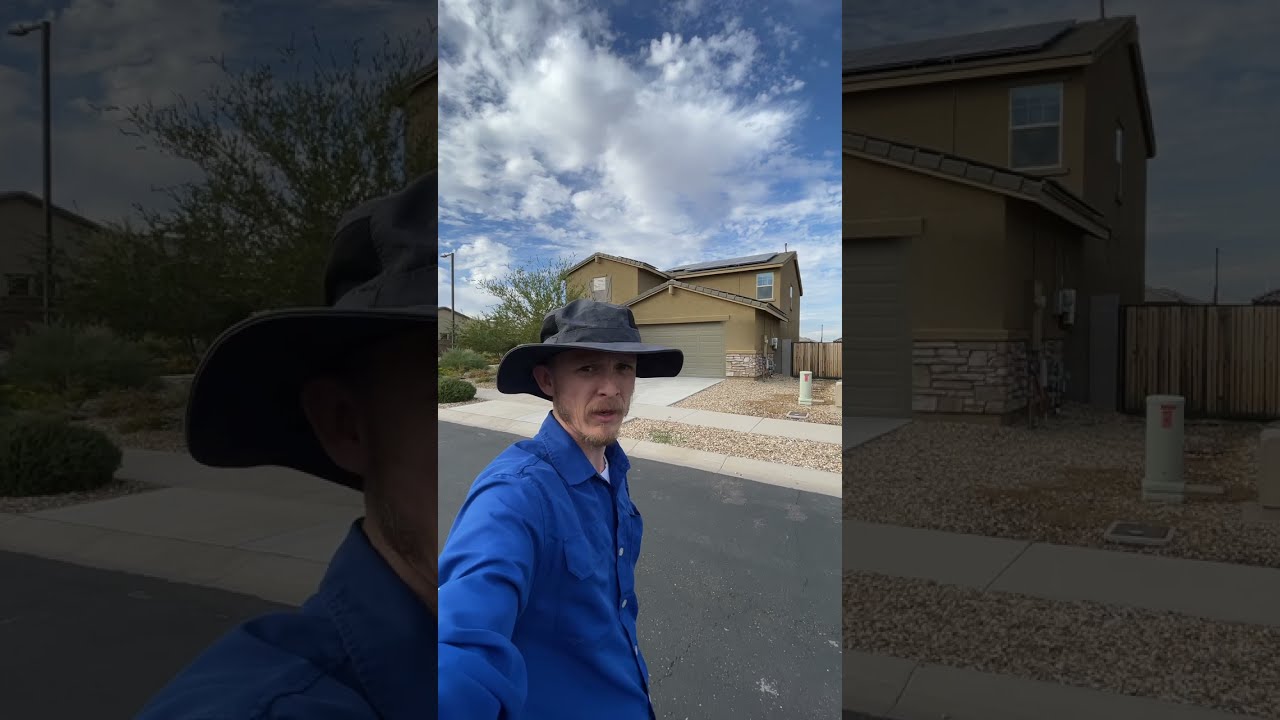
Modern Tools Make a Difference
Today's inspectors utilize innovative devices such as infrared thermography, wetness meters, and drones to discover concealed issues that are undetectable to the naked eye. These tools boost the accuracy of assessments, ensuring that no corner of the building is overlooked.
By incorporating innovation right into the process, assessors can give more extensive insights, aiding clients comprehend the complete extent of a home's condition prior to making decisions.
Common Issues Found During Residential Inspections
- Roof leaks or used shingles Outdated or harmful electric systems Leaky plumbing or water heater problems Poor insulation or ventilation Foundation splits or settlement Mold or dampness damage in basements and crawl spaces
By addressing these concerns early, both customers and vendors can prevent pricey shocks down the road.
Conclusion: Expertise is Power
In the globe of property, information is everything. Residential residential property inspections offer the understanding required to make audio choices, stay clear of covert pitfalls, and make certain that homes are safe and livable for several years to come.
Whether purchasing an initial home, selling a long time home, or purchasing a residential property, an inspection is more than simply a box to inspect-- it's a critical component of protecting one's financial investment. By dealing with a relied on examination group, home owners get the clarity and self-confidence they require to progress with peace of mind.